

A Center of Global Inquiry
La novela es el espejo donde una época se reconoce.
Ideas travel farther than armies.
Toda literatura es un acto de rebeldía contra el olvido.
The novelist does not invent; he remembers.
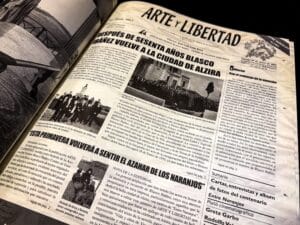
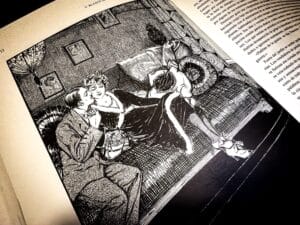
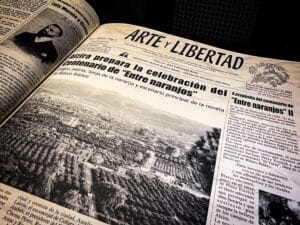
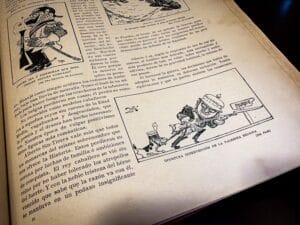
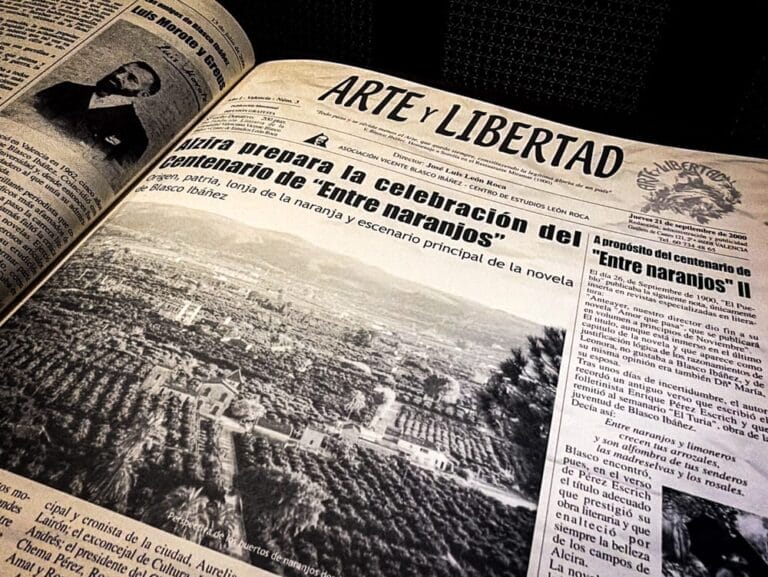
Each spine, each folder, each clipped column marks a point of contact—between reader and text, critic and moment, history and interpretation. The archive is cumulative by design, expanding as new scholarship reopens old questions and reframes familiar works.
Scope and Scale
31,000+ cataloged articles and clippings documenting reception and debate
1,700 academic studies, reviews, chapters, and theses
3,500 newspaper articles from major U.S. dailies
100+ years of international literary, political, and cultural response
Together, these materials form a longitudinal record of how Blasco Ibáñez moved through the twentieth century—and into the twenty-first—not as a static figure, but as a recurring presence shaped by changing intellectual climates.
“La historia juzga con retraso, pero no absuelve”
— Vicente Blasco Ibáñez
Reception as Evidence
I wrote for the living, not for academics.
— Vicente Blasco Ibáñez
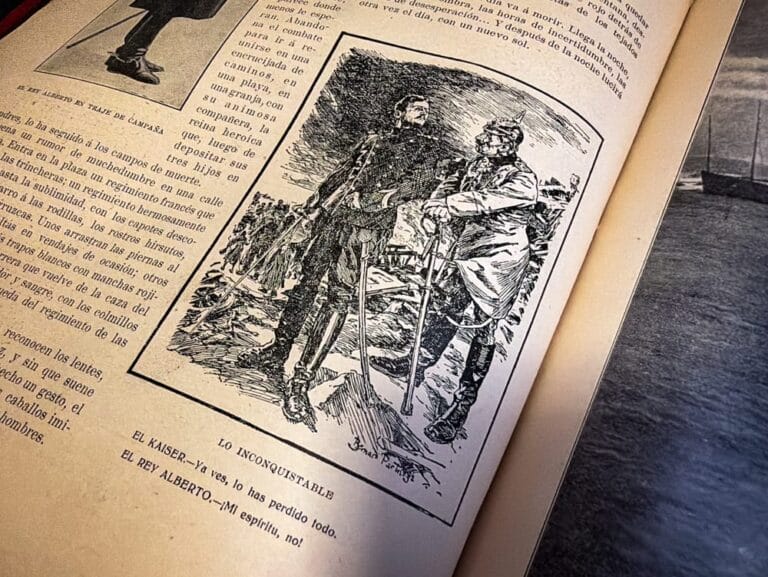
The Blasco Ibáñez Article Collection treats criticism, journalism, and commentary not as peripheral material, but as historical evidence in their own right. Each article records a moment when meaning was negotiated—when Blasco’s novels were read through the lenses of class struggle, secularism, nationalism, war, or cinematic modernity.
For scholars in comparative literature, cultural history, film studies, and transatlantic studies, the archive enables sustained inquiry into literary afterlives: how texts acquire authority, lose it, and sometimes regain it under new historical pressures.
Access the Collection
The complete bibliographic record of the Blasco Ibáñez Article Collection is maintained by TU staff and made available through the University of Tulsa’s public-facing catalog interface. While the archive itself is intentionally too extensive to replicate here, scholars may explore thousands of indexed entries—spanning journalism, criticism, and reception history—through the searchable database.
This interface provides an essential point of orientation for researchers planning extended work with the physical collection in Tulsa.
For Scholars of Literary Afterlives
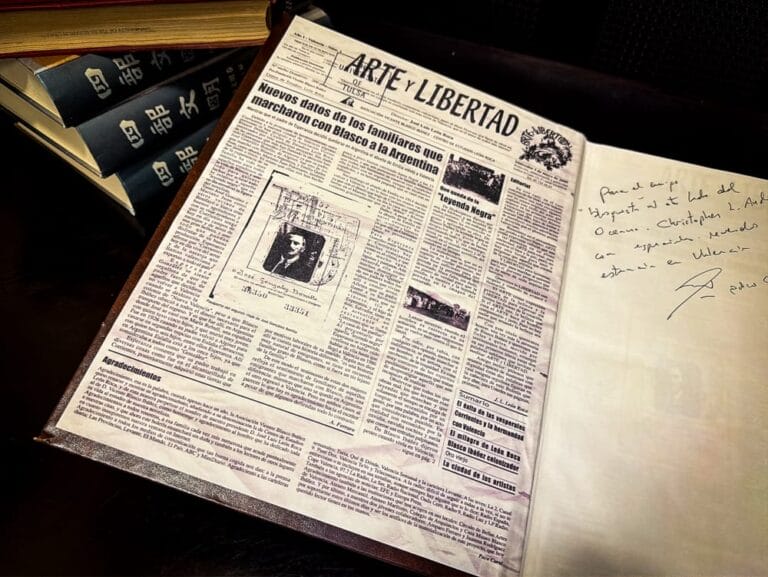
The Articles Collection is designed for scholars attentive to how literature moves through public discourse. It supports research into translation and adaptation, ideological conflict, canon formation, and the transatlantic circulation of texts. Patterns emerge only through duration: repeated returns to Blasco during moments of social unrest, renewed interest in his war writing, shifting assessments of his political commitments.
The archive does not resolve these tensions. It preserves them.
La libertad no se implora de rodillas; se conquista en los campos de batalla de la inteligencia.
— Vicente Blasco Ibáñez